ABA Reinforcement at Home vs Clinic: What to Expect
Published January 30, 2026
•
3 min read


How ABA reinforcement works at home vs clinic refers to the way positive reinforcement — giving something desirable after a behavior to increase it — is applied in two different environments. At home, reinforcement happens in the child’s natural routines, which supports real-life skill use and generalization.
In the clinic, reinforcement takes place in a structured setting with trained therapists, helping build targeted skills with fewer distractions and access to specialized resources. Both rely on the same ABA principles but differ in context, delivery, and opportunities for practice.
Reinforcement in Applied Behavior Analysis (ABA) strengthens desired behaviors by immediately following them with something the learner finds motivating. Examples include praise, preferred activities, tokens, or access to favorite items. Positive reinforcement increases the likelihood that a behavior will recur and is a core strategy in ABA across settings.
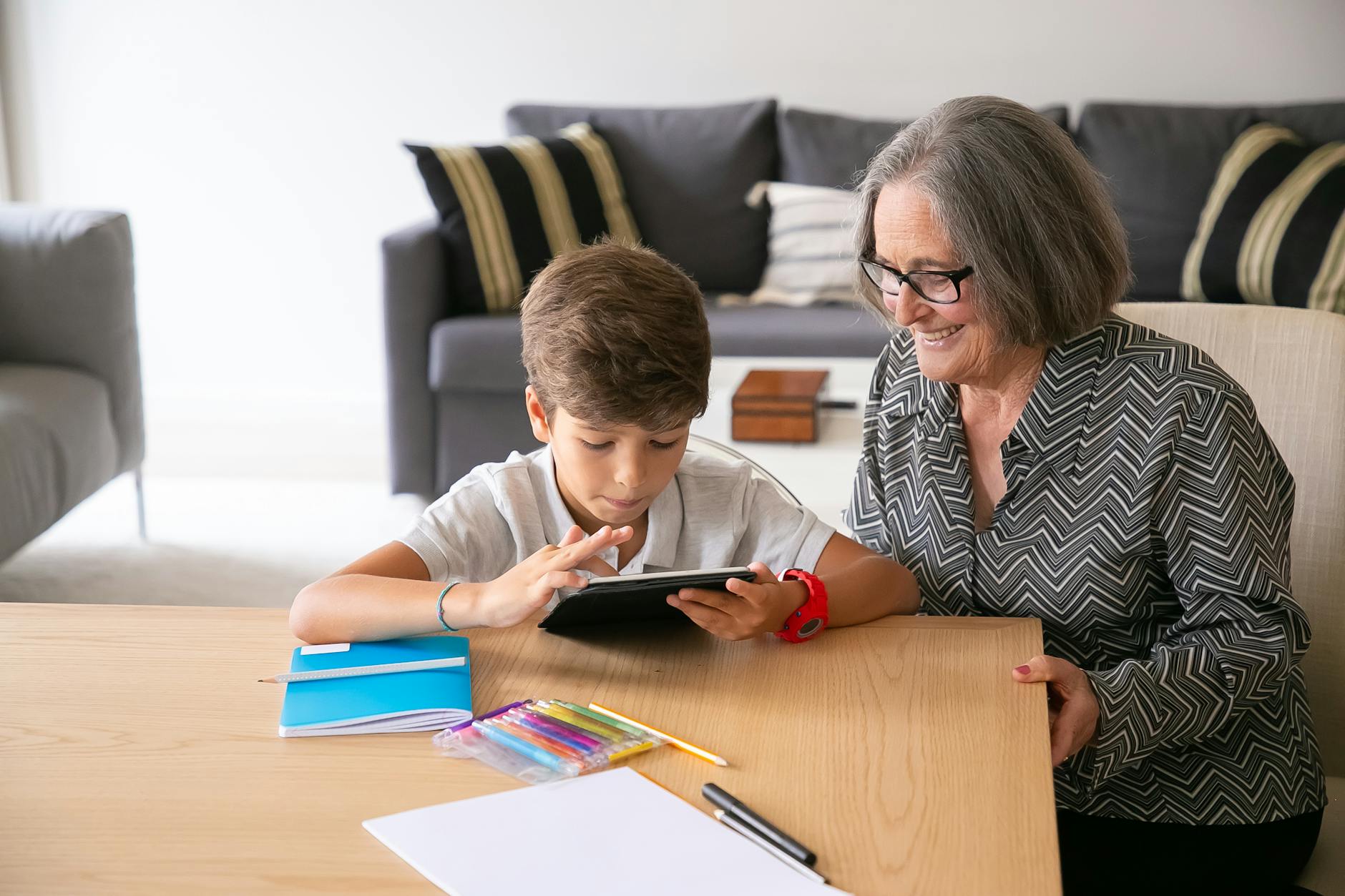
At home, reinforcement is often tied directly to real-world routines. This means a child might earn a reinforcer immediately after demonstrating a desired behavior — like putting away toys or using words to ask for help — in the context where the behavior naturally occurs.
Key features:
For example, a child might earn extra playtime (reinforcer) immediately after greeting a family member appropriately during a meal — something only possible in the natural home setting.
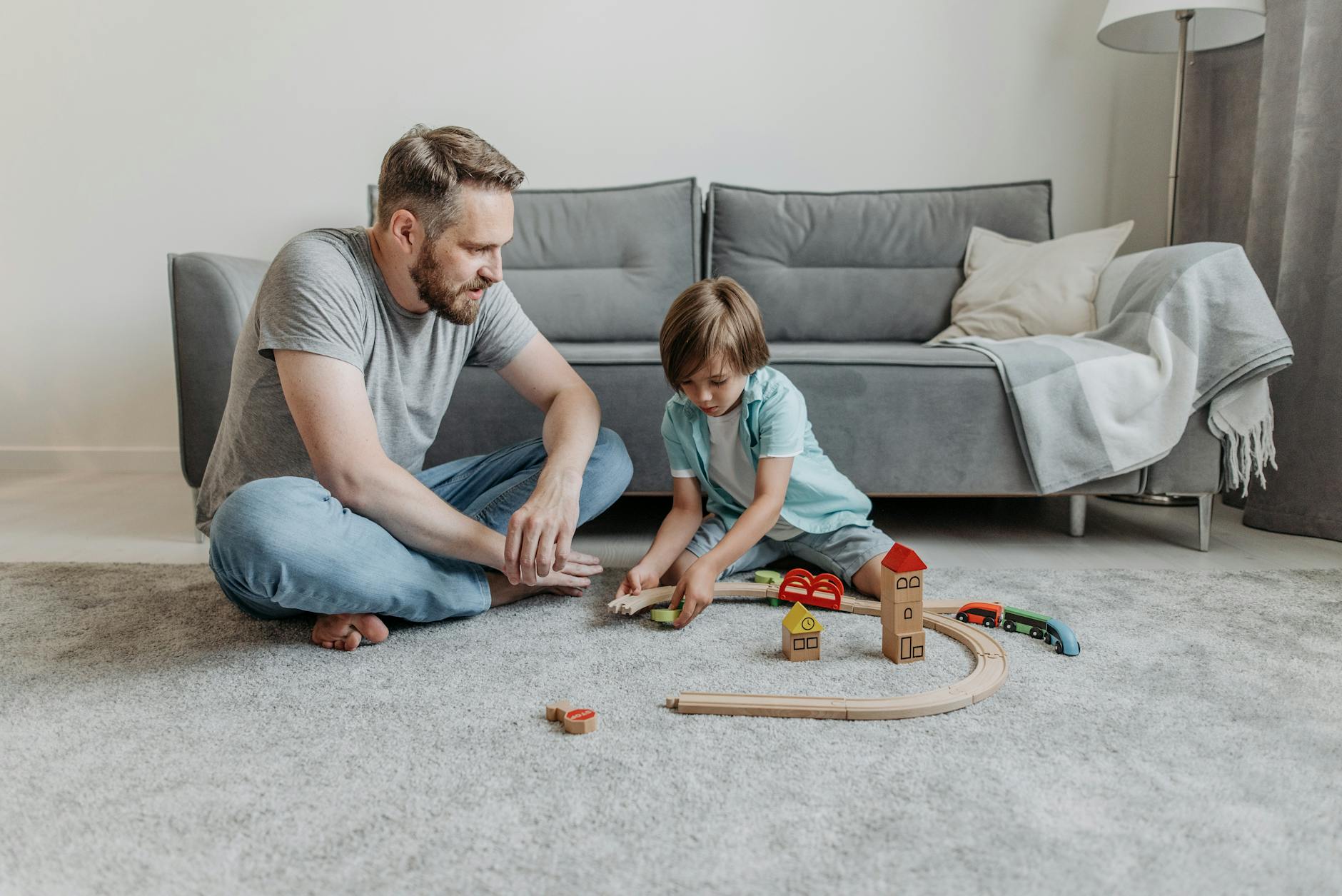
In the clinic, reinforcement is delivered within organized, controlled sessions designed to reduce distractions and focus on specific targets.
Key features:
A child learning a new communication skill might receive a small reward immediately after correctly using a word in a discrete trial — a controlled skill-building approach that supports mastery before generalization.
Both home and clinic reinforcement approaches follow the same ABA principle: if a behavior is followed by something the learner values, the behavior is more likely to continue.
But the environments shape how reinforcement is delivered and what skills are emphasized:
Combining both approaches often gives children the best of both worlds: structured learning paired with real-life application.
Many families report that reinforcement strategies work best when consistent across settings. Teaching reinforcement techniques to caregivers at home allows skills learned in the clinic to show up in everyday life, turning therapy gains into real behavioral improvements.
Understanding how ABA reinforcement works at home vs clinic helps families see why both environments support meaningful behavior change. At home, reinforcement fits natural routines and builds real-life use of skills. In the clinic, reinforcement is systematic, structured, and paired with precise data collection to teach core behaviors.
To connect with ABA professionals who can help design reinforcement systems tailored to your child’s goals — whether at home, in a clinic, or both — use ABA Navigator to search and connect with qualified providers and begin a personalized reinforcement plan today.
Sources: