ABA Therapy vs. Other Autism Therapies: Goals, Methods & Outcomes
Published March 2, 2026
•
6 min read
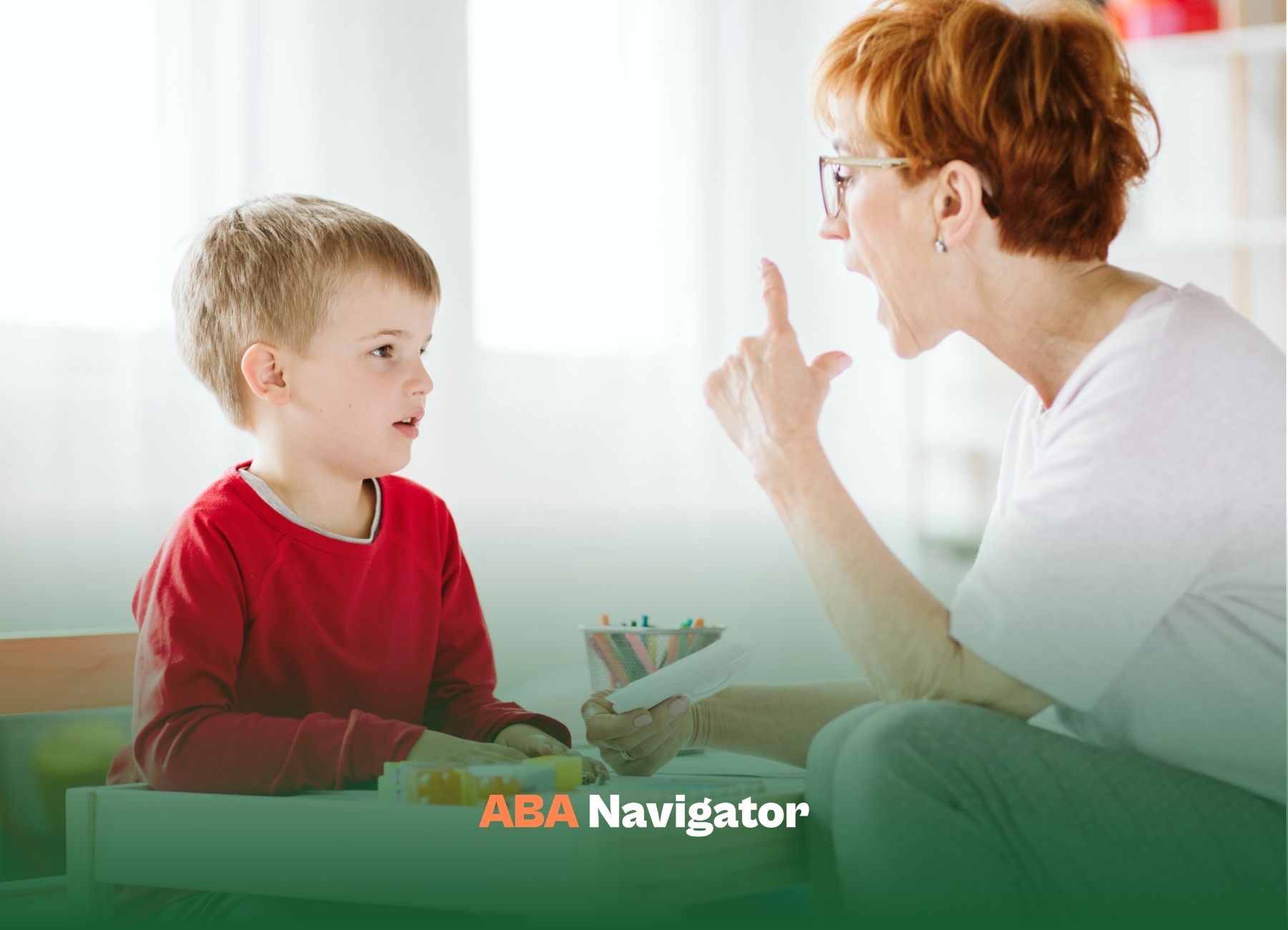

ABA therapy vs. other autism therapies explores how Applied Behavior Analysis (ABA) compares with alternative or complementary therapies used to support individuals with autism spectrum disorder (ASD). ABA is a structured, evidence-based approach focused on behavior change and skill acquisition using data-driven methods.
Other therapies — including speech therapy, occupational therapy (OT), play therapy, cognitive therapies, and developmental models — each offer unique benefits that address different aspects of development. Understanding these differences helps families make informed decisions tailored to their child’s needs.
ABA therapy is grounded in behavioral science and focuses on teaching socially important skills while reducing behaviors that interfere with learning or daily functioning. It uses positive reinforcement, continuous data collection, and individualized plans developed by skilled behavior analysts to shape desired behaviors. ABA has decades of research demonstrating its benefits in areas like communication, adaptive skills, social interaction, and reducing challenging behaviors.
A hallmark of ABA is its structured approach. Therapists break complex skills into smaller parts, collect detailed data, and make adjustments based on measurable progress. This level of structure sets ABA apart from many other therapies.
Speech therapy focuses specifically on communication skills, including speech clarity, language understanding, and pragmatic (social use) skills, often using strategies tailored by speech-language pathologists. While ABA can help teach communication through behavior strategies, speech therapy provides specialized language intervention that complements ABA.
OT helps individuals develop daily living skills and sensory integration, such as dressing, eating, fine motor tasks, and processing sensory input. While ABA may address some adaptive skills, OT specifically targets motor and sensory areas that ABA does not work on as intensively. Combining ABA and OT often supports broader developmental outcomes.
Therapies like play therapy, DIR/Floortime, or Relationship Development Intervention (RDI) emphasize emotional connection, relationship building, and child-led interaction. These therapies often use less structured play or developmental techniques to enhance social engagement and emotional regulation.
ABA, in contrast, systematically teaches skills using reinforcers and data to measure progress. Families may choose these approaches when emotional expression or relationship building is a top priority.
CBT aims to help individuals identify thoughts and behaviors that contribute to anxiety or emotional distress and develop strategies to manage them. While ABA focuses on observable behaviors and reinforcement, CBT centers on cognition and emotional processing and is most effective for older children or teens capable of reflecting on thoughts and feelings.
ABA is one of the most researched interventions for autism. Multiple long-term studies show improvements in language, adaptive behavior, and social skills when ABA is delivered intensively over time. Research reviews report moderate to high effectiveness across a range of outcomes for children and youth with ASD.
Many alternative therapies offer benefits in specific domains — such as emotion expression, sensory regulation, or communication. However, few non-ABA therapies have as extensive a research base demonstrating general skill acquisition across multiple developmental areas. This is why ABA is often recommended as a foundational therapy while other therapies are used in combination.
Every child with autism is unique. Some may primarily need support with communication or sensory processing, while others may require structured skill building and behavior intervention. An initial assessment by professionals — often including BCBAs, speech therapists, and occupational therapists — helps tailor a comprehensive plan.
Many treatment plans combine ABA with speech therapy, OT, or developmental approaches. This ensures that skill acquisition, sensory regulation, emotional expression, and daily living skills are all addressed within a coordinated framework.
Therapy selection should be reconsidered as a child grows and their needs evolve. Progress tracking and adjustments help ensure that interventions remain aligned with goals and meaningful outcomes.
Comparing ABA therapy vs. other autism therapies shows that ABA stands out for its structured, measurable, research-supported approach to behavior change and skill development. However, other therapies like speech therapy, occupational therapy, CBT, and play-based models play vital roles in addressing specific needs such as communication, sensory integration, emotional processing, and relationships.
At ABA Navigator, we help families explore qualified providers across different therapy types and coordinate interdisciplinary support for well-rounded intervention plans.
Ready to build a comprehensive autism therapy plan?
Visit ABA Navigator to find evidence-based providers that match your child’s unique profile — so you can combine strengths from ABA and other therapies to support growth, communication, and quality of life.
There is no single “best” therapy for autism that fits every child. Evidence-based practice guidelines recommend a multidisciplinary approach that may include ABA therapy along with speech therapy, occupational therapy, and developmental or relationship-based interventions.
ABA has the strongest research backing for improving measurable behavior and skill outcomes, but combining therapies often provides a more comprehensive support system tailored to individual needs.
No scientifically validated answer exists that one therapy is universally better than ABA for every aspect of autism support. ABA is among the most researched and evidence-based interventions, particularly for skill acquisition and behavior change.
However, some alternative or complementary therapies — such as speech therapy for communication difficulties or occupational therapy for sensory and daily living challenges — can be more effective for particular goals. A combined plan that includes ABA and other services is often more effective than any single therapy alone.
There is no one “best lifestyle” that applies to all individuals on the autism spectrum because autism is highly diverse. However, supportive lifestyles commonly include structured routines, predictable environments, and individualized supports that align with a person’s strengths and needs.
Families and professionals also emphasize early intervention, consistency in learning environments, positive social experiences, and opportunities for meaningful engagement in activities such as school, hobbies, and community events. These elements help support development, reduce stress, and improve quality of life.
Sources: