Center-Based vs. In-Home vs. School-Based ABA: Which Setting is Best?
Published April 4, 2026
•
4 min read

Choosing the right setting for applied behavior analysis is a pivotal decision that dictates how a child acquires and maintains new skills. The three primary delivery models—Center-Based, In-Home, and School-Based ABA—each offer distinct clinical advantages depending on a child's specific developmental goals and sensory needs.
Center-Based ABA provides a highly structured, social environment ideal for intensive early intervention. In-Home ABA focuses on functional life skills and family integration within a natural setting. School-Based ABA targets academic readiness and peer interactions in an educational context. The most effective model is the one that best supports a child's ability to generalize skills across their daily life.
A center-based model offers a "simulated world" designed specifically for learning. It allows for immediate supervision by a Board Certified Behavior Analyst (BCBA) and provides access to specialized equipment.
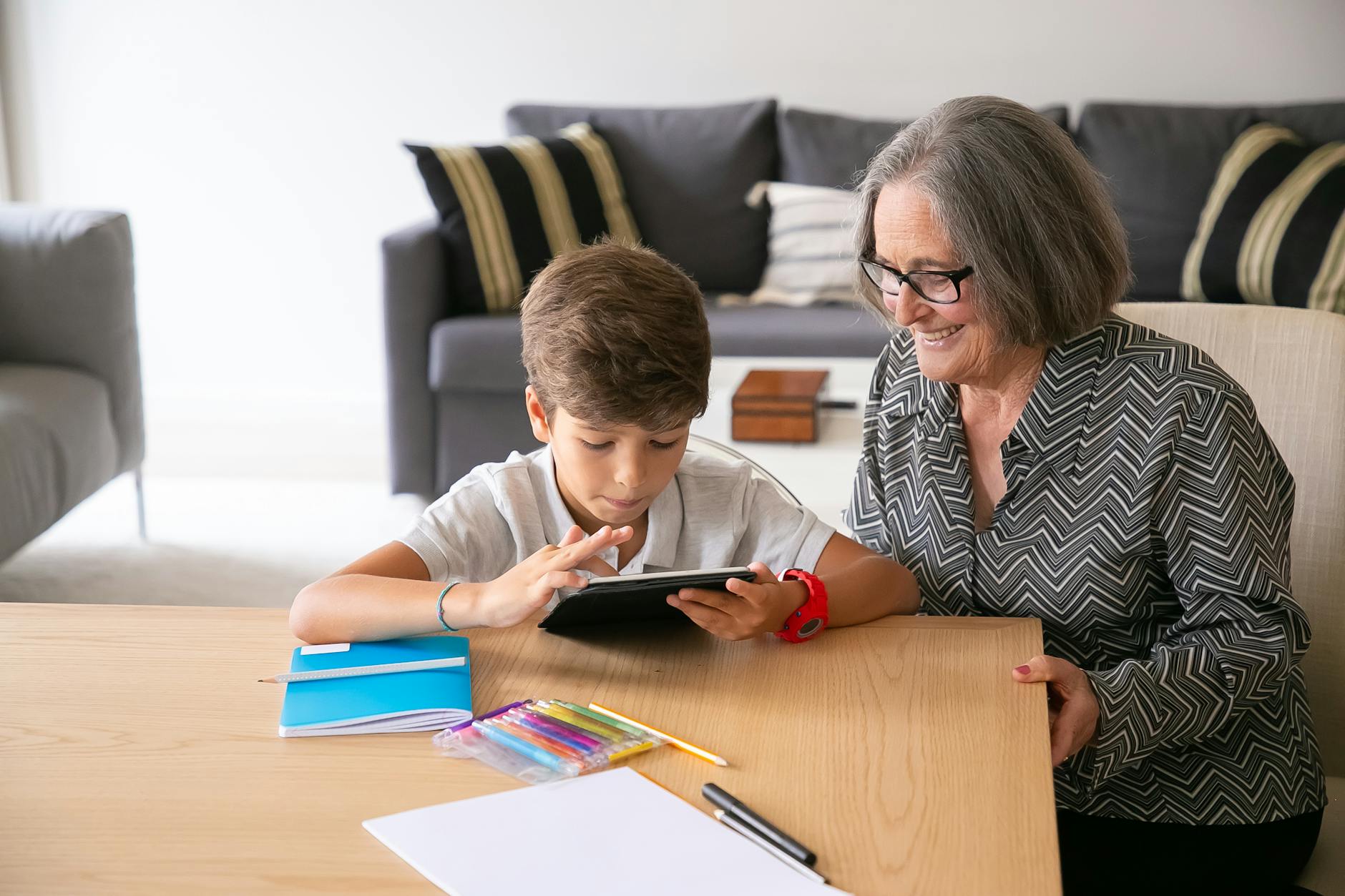
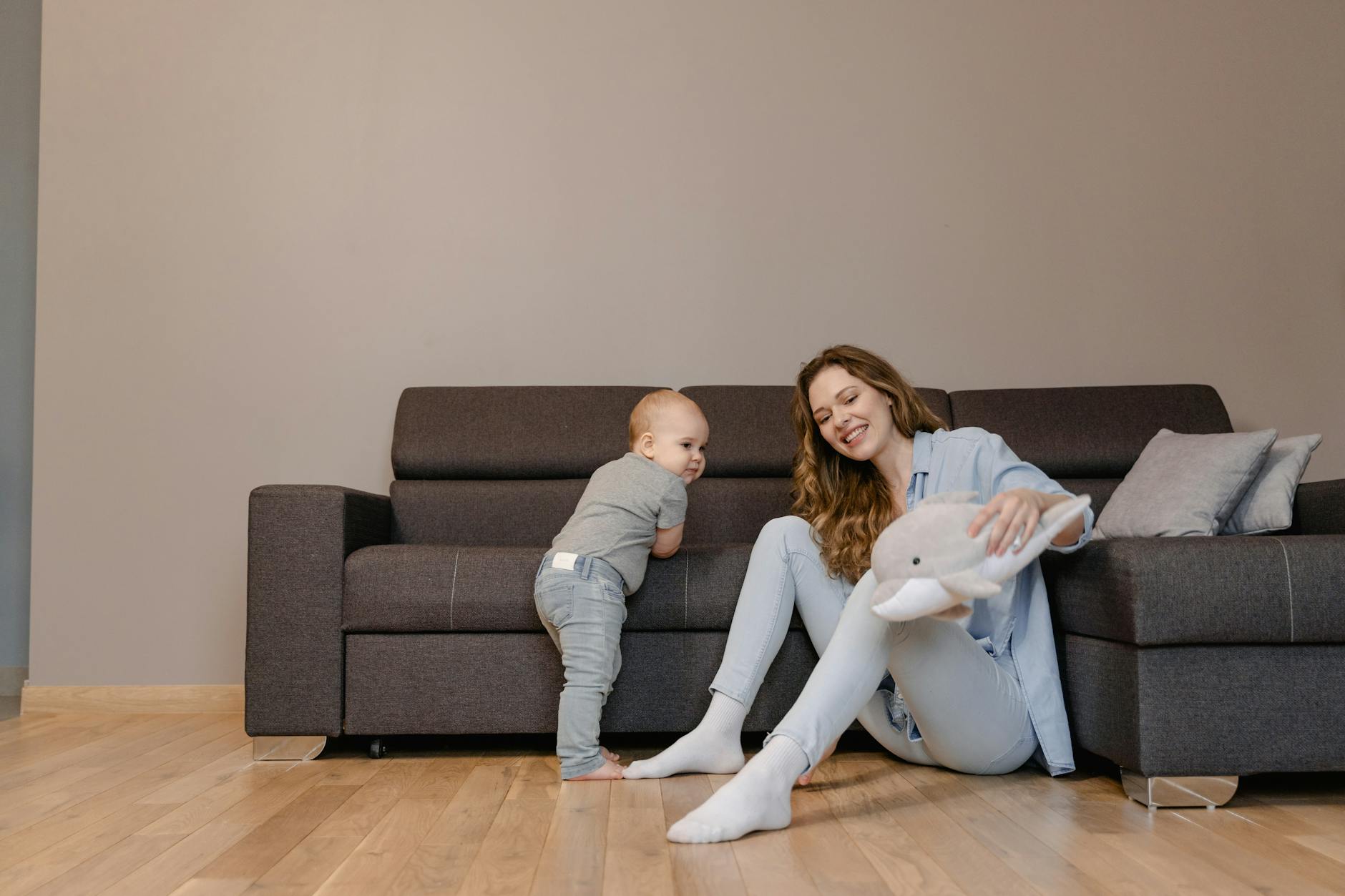
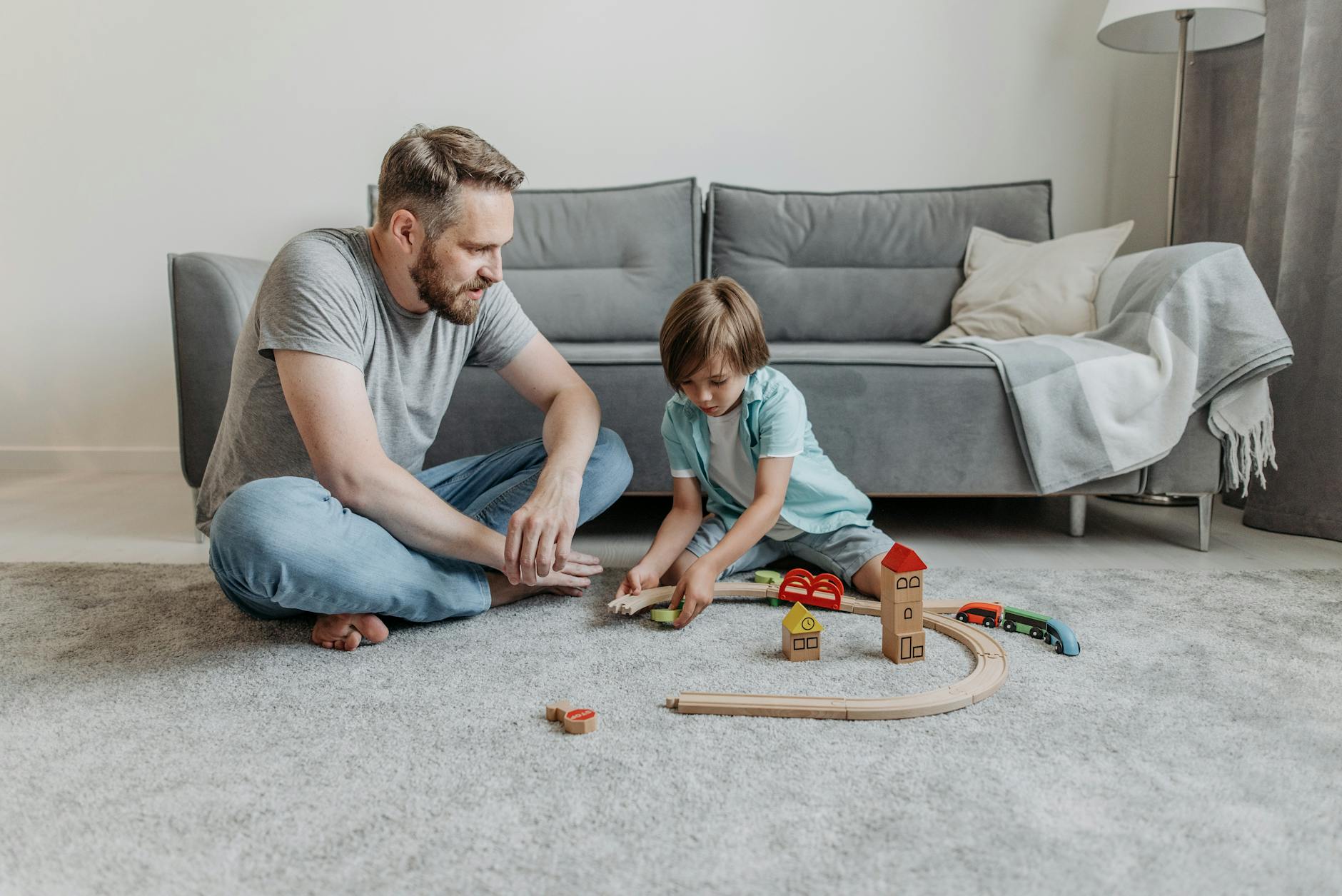
In-home therapy prioritizes "Natural Environment Teaching" (NET). It focuses on skills that are immediately relevant to the child’s home life, such as self-care, mealtime routines, and sibling interactions.
This model supports a child within their classroom or special education setting. The focus is on "learning to learn" alongside neurotypical or neurodivergent peers.
Regardless of the setting, clinicians rely on task analysis in ABA therapy to ensure progress. This involves taking a complex skill and deconstructing it into smaller, manageable steps.
For instance, if a child is learning to use a public restroom, task analysis in ABA therapy would break the process down: entering the stall, latching the door, using the toilet, and washing hands.
Using task analysis in ABA therapy ensures that the teaching remains identical across all three settings, even if the environment changes.
Social opportunity center-based programs offer high peer group interaction. School-based learning provides constant classmate engagement. In-home is primarily focused on family dynamics.
Distraction Levels: Center-based is the most controlled, with few distractions. In-home care varies based on the household environment. School-based has the highest natural distractions, mimicking real-world complexity.
Parent Participation In-home therapy offers the highest level of direct parent participation. Center-based typically involves scheduled meetings, while school-based involves indirect updates.
Skill-focused and center-based is the best way to learn basic, important skills. In-home targets functional and daily living skills. School-based emphasizes academic and social compliance.
Research published in the Journal of Applied Behavior Analysis suggests that children who receive a "hybrid" model—combining center-based structure with in-home generalization—often show the fastest mastery of complex chains. A case study involving a 4-year-old showed that while task analysis in ABA therapy helped him learn to dress at the center, it was the in-home application that ensured he could do it independently before school each morning.
Every child’s journey is unique, and the environment should fit the child—not the other way around. At ABA Navigator, we specialize in matching clinical precision with your family's reality. Whether your child needs the social buzz of a center or the quiet comfort of home, we have the expertise to guide them toward independence.
Sources:
https://www.inclusiveaba.com/blog/advantages-of-center-based-aba-therapy
https://blossomabatherapy.com/blog/natural-environment-teaching-aba
https://www.inclusiveaba.com/blog/school-based-aba-therapy-programs