What “Pairing” Means in ABA — How It Helps Your Child
Published January 18, 2026
•
3 min read


What “pairing” means in ABA refers to a specific process used in Applied Behavior Analysis (ABA) therapy to build a positive, trusting relationship between a therapist and a child before structured teaching begins. Pairing helps the child connect the therapist and the therapy environment with fun, comfort, and reinforcement, making learning more effective over time.
In ABA therapy, pairing is the intentional process of associating the therapist — and the therapy setting — with positive experiences and preferred items or activities that the child already enjoys. The goal is to make the therapist a source of reinforcement, so the child wants to engage and feels comfortable participating in sessions.
Pairing typically happens at the start of therapy and may continue throughout treatment. It involves letting the child lead with activities, play, or objects they prefer while the therapist follows their interests and interacts in an enjoyable way without placing demands early on. This helps the child form positive associations with the therapist.
Pairing lays the foundation for future learning and skill building by:
Research also suggests that effective pairing can decrease social avoidance and increase participation in instruction compared with no pairing intervention.
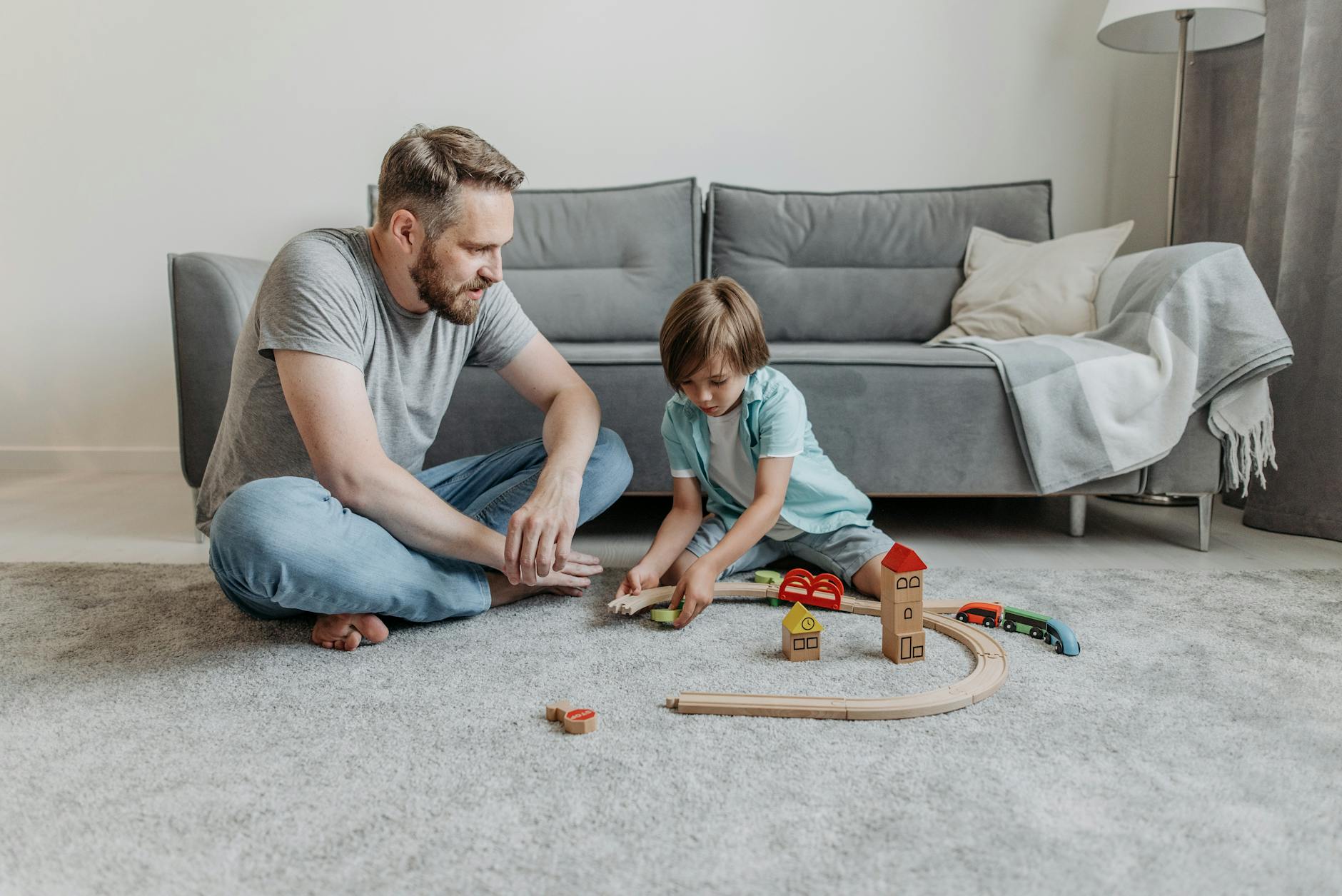
A therapist might sit with a child’s favorite toy, play together, and provide praise or attention tied to that toy or activity. Over multiple sessions, the child begins to look forward to the therapist’s presence because it predicts enjoyable interaction — not just demands.
Pairing is not just “playing for fun” but a deliberate behavior-analytic strategy tied to reinforcement theory: the therapist becomes a conditioned reinforcer by repeatedly providing access to fun experiences.
So, what “pairing” means in ABA is the process of building a positive relationship between your child and their therapist through shared enjoyable experiences. This process increases comfort, trust, and readiness for learning.
To learn more about how pairing and other ABA techniques support your child’s progress, call ABA Navigator today. Our resource network can help you connect with qualified providers who prioritize strong therapeutic rapport and positive learning environments.
Sources: