Robot-Assisted Autism Therapy Explained: Benefits and Limits
Published March 19, 2026
•
4 min read
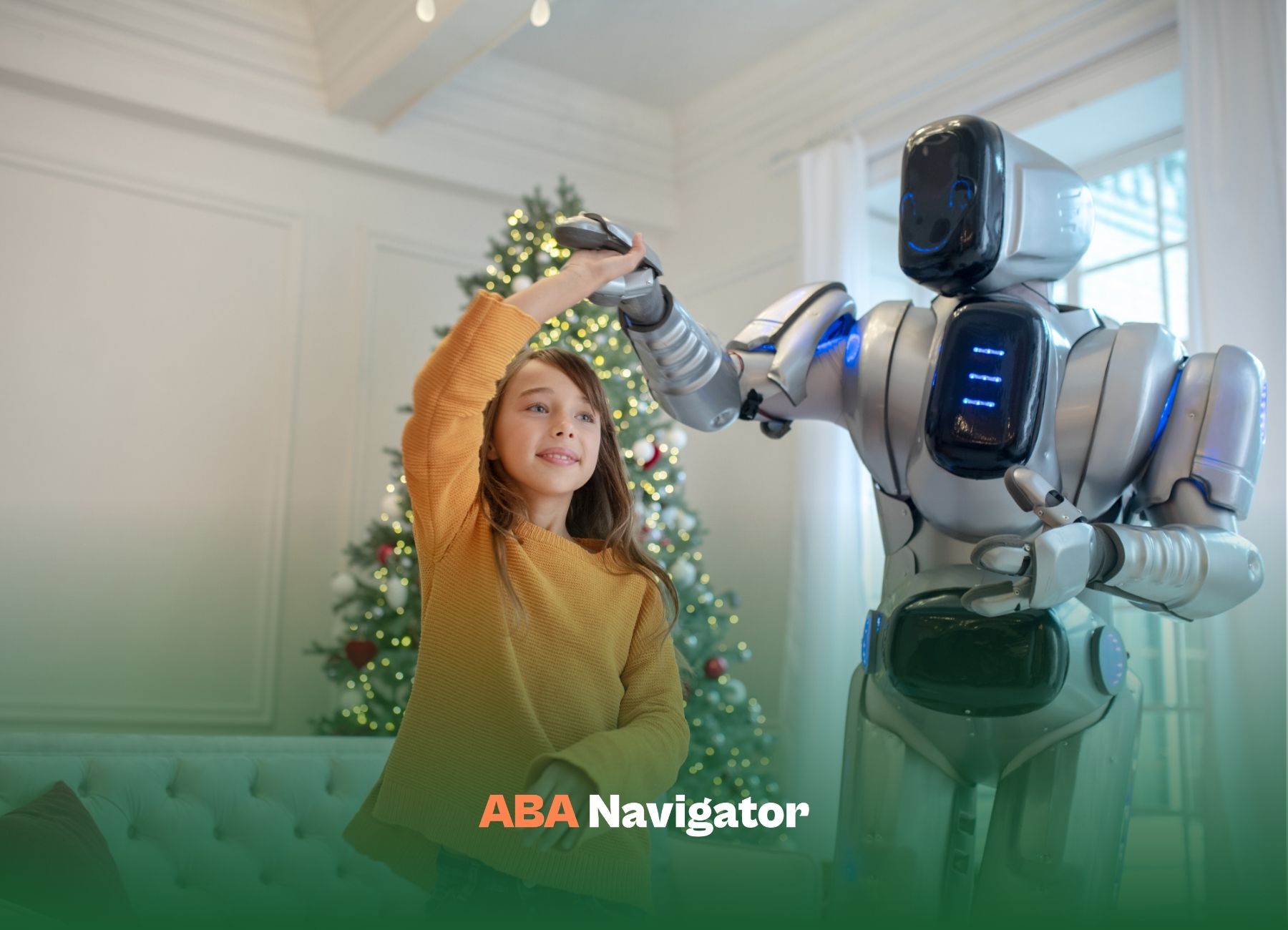

Technology is becoming part of therapy environments. One area gaining attention is robot-assisted autism therapy, where interactive robots are used to support learning and social development.
In clinical settings, robots are used as tools alongside therapists. These systems are designed to guide interaction, provide feedback, and create structured learning opportunities.
Understanding robot-assisted autism therapy helps explain how technology is being explored in autism interventions.
Robot-assisted autism therapy uses programmable robots to support therapy goals such as communication, social interaction, and emotional understanding.
These robots can:
They are typically used alongside existing therapies like ABA.
Research shows that many children with autism respond positively to predictable and structured interactions.
Studies found that children may engage more easily with robots because interactions are consistent and less complex than human social cues.
Robots can repeat the same behavior without variation. This supports learning through repetition, which aligns with ABA principles.
Studies on robot-assisted autism therapy show measurable outcomes.
Clinical trials also show that structured robot sessions can support communication and interaction skills in young children.
A therapist may use a humanoid robot to teach turn-taking. The session might include:
Robots like NAO have been used in schools and therapy settings because children often respond to their simple and expressive behaviors.
This setup shows how robot-assisted autism therapy supports structured interaction.
Robot-assisted autism therapy is used to support several areas:
Robots can model eye contact, turn-taking, and joint attention.
Studies show improvement in identifying emotions such as happiness, fear, and sadness.
Robots can prompt verbal or nonverbal responses during structured tasks.
Research shows increased engagement compared to traditional formats.
Several factors explain why robot-assisted autism therapy can be effective.
Robots behave consistently, which reduces uncertainty.
Interactions with robots may feel less overwhelming than human interaction.
Robots can respond instantly to actions.
Activities can be programmed in clear, repeatable steps.
These features align closely with how ABA therapy is designed.
Research also highlights limitations of robot-assisted autism therapy.
Most research describes robots as support tools, not standalone therapy.
ABA therapy focuses on structured teaching, reinforcement, and data collection. Robot-assisted autism therapy can support these by:
This makes robots compatible with ABA, rather than a replacement for it.
Research in this field is still growing. Recent studies focus on:
Technology is being explored as a way to support therapists, not replace them.
Understanding robot-assisted autism therapy helps families see how technology is being used in structured care.
ABA Navigator helps families explore therapy providers who combine evidence-based methods with practical tools to support engagement and learning.
If you are looking for therapy options, explore providers who use structured, research-based approaches and adapt tools to match your child’s needs.
Sources: