What a BCBA Assessment Session Includes and What to Expect
Published January 26, 2026
•
3 min read


What a BCBA assessment session includes is a structured evaluation by a Board Certified Behavior Analyst (BCBA) that gathers detailed information about a child’s behavior, skills, strengths, and needs through interviews, observation, and assessment tools. It forms the foundation for an individualized ABA therapy plan tailored to your child’s goals and development.
A BCBA assessment typically begins with a caregiver interview. During this part of the session, the BCBA asks about your child’s medical and developmental history, daily routines, behaviors you’re concerned about, and past evaluations. This helps create a clear picture of your child’s background before direct observation.
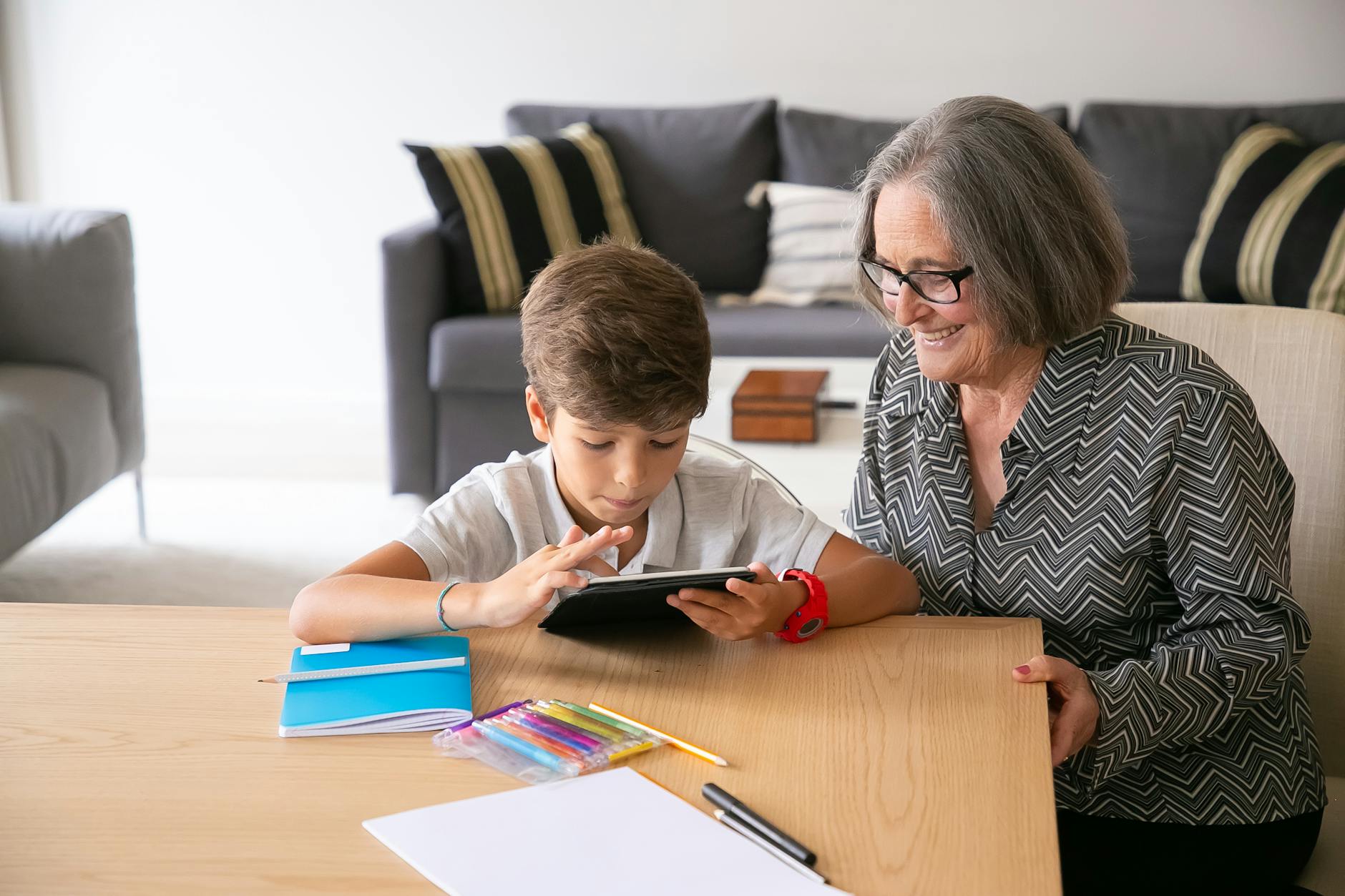
Next, the BCBA engages in direct observation of your child. This may happen in the clinic, at home, or in another natural setting. The analyst watches how your child interacts, communicates, plays, and responds to their environment. Observing in real time helps the BCBA identify patterns and areas for support.
Most assessment sessions include standardized tools like the VB-MAPP, ABLLS-R, or Vineland Adaptive Behavior Scales, which measure language, social, and daily living skills. These tools help the BCBA set a baseline of your child’s abilities and determine goals that are measurable and meaningful.
In many cases, a Functional Behavior Assessment (FBA) is part of the session. This involves collecting data on specific behaviors, identifying what triggers those behaviors, and understanding the consequences that maintain them. The FBA guides the development of behavior intervention plans that teach replacement skills.
Once data is collected, the BCBA reviews all information and begins goal setting. This includes choosing specific skills to teach (like communication or social interaction) and strategies to reduce challenging behaviors. The BCBA also discusses recommended therapy hours and parent training so caregivers can support learning at home.
Many families report that assessment sessions feel thorough and personalized. The blend of direct observation and conversation makes it clear where a child currently functions and where support will help most — from basic communication to daily routines and social skills.
Knowing what a BCBA assessment session includes helps families enter the process prepared and confident. This evaluation builds the roadmap for individualized, evidence-based ABA therapy. To connect with qualified BCBAs who can conduct comprehensive assessments tailored to your child’s needs, use ABA Navigator to find and contact trusted providers and begin your child’s personalized plan today.
Sources: