10 Fun Activities That Reinforce ABA Therapy Goals at Home
Published December 20, 2025
•
7 min read


As a parent, you’re likely already familiar with the benefits of ABA therapy and how it can help your child develop important skills. But did you know that there are many ways to reinforce these skills at home in a fun and engaging way? By incorporating ABA therapy goals into everyday activities, you can make learning feel like a game, all while ensuring your child’s progress stays on track.
In this post, we’ll share 10 fun activities that you can do with your child at home to reinforce ABA therapy goals. These activities are not only enjoyable, but they also offer a natural and interactive way to practice essential skills like communication, social interaction, and emotional regulation.
ABA Goal: Emotion Recognition and Regulation
One of the key aspects of ABA therapy is helping your child identify and regulate their emotions. Emotion charades is a great game that gets your child to express and recognize different emotions.
ABA Goal: Self-Regulation and Calming Techniques
Sensory bins are a fun, hands-on way to help your child with self-regulation. By filling a bin with different textures—like rice, beans, or soft materials—you can create a calming activity that reinforces calming techniques.
ABA Goal: Positive Behavior Reinforcement
Using a sticker chart is a fun and simple way to reinforce positive behavior at home. ABA therapy often involves reinforcing positive actions, and a sticker chart is an easy way to keep track of progress.
ABA Goal: Language Development and Social Skills
Reading together is a great way to promote language development and social skills. Make it interactive by asking questions, pointing out characters’ emotions, or discussing what might happen next in the story.
ABA Goal: Social Skills and Communication
Role-playing is a fantastic way to practice social scenarios and communication. Whether your child is learning how to greet others or share toys, role-playing allows them to practice real-world social interactions in a comfortable setting.
ABA Goal: Following Directions and Functional Skills
Cooking or baking together is not only a fun bonding activity but also a great opportunity to practice following directions and functional skills like measuring, counting, and sequencing.
ABA Goal: Cognitive Skills and Organization
Sorting and categorizing activities are perfect for developing your child’s cognitive skills and understanding of organization. This simple game helps with categorization and building logical thinking.
ABA Goal: Social Skills and Communication
Turn-taking is an essential social skill that ABA therapy focuses on teaching. Simple board games or card games that involve taking turns can be a fun way to reinforce this skill.
ABA Goal: Following Instructions and Physical Coordination
A treasure hunt is a fun and engaging way to practice following instructions and using physical coordination. This can be done both indoors and outdoors, depending on the available space.
ABA Goal: Fine Motor Skills and Problem-Solving
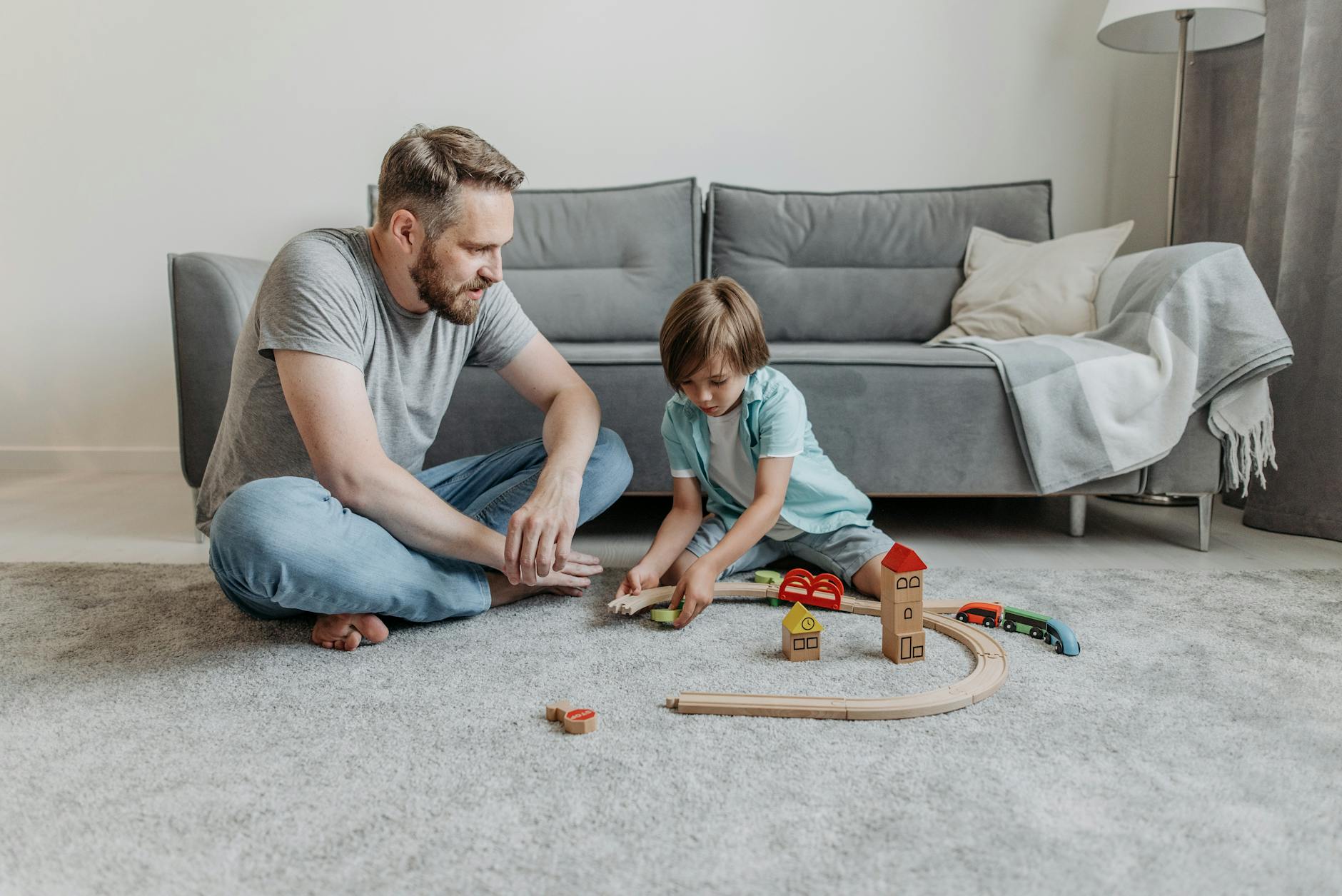
Building activities like using blocks or solving puzzles are excellent for improving fine motor skills and problem-solving. These activities require your child to focus and think critically while practicing coordination.
Incorporating fun activities into your daily routine is a powerful way to reinforce your child’s ABA therapy goals at home. The key is to make learning feel natural, enjoyable, and engaging. Whether it’s practicing emotions through charades, reinforcing communication with role-playing, or building fine motor skills with blocks, there are endless ways to support your child’s progress in a playful environment.
If you’re looking for more resources, including finding qualified ABA providers in your area, visit ABA Navigator. With the right support and consistent reinforcement, you’ll help your child thrive and meet their developmental goals with confidence and joy.
How can I reinforce ABA therapy goals at home?
You can reinforce ABA therapy goals by incorporating activities that focus on communication, social skills, emotional regulation, and cognitive development, such as emotion charades, role-playing, and sorting games.
What are some good activities for building social skills at home?
Games like role-playing social situations, turn-taking games, and interactive storytime are excellent ways to build social skills in a fun, engaging way.
How can I use everyday activities to reinforce ABA therapy?
Activities like cooking, following directions, and playing board games can be great opportunities to reinforce ABA therapy goals such as following instructions, communication, and motor skills.
What should I do if I’m unsure how to incorporate ABA therapy at home?
Talk to your ABA therapist! They can provide personalized recommendations and guide you on how to implement therapy goals effectively in your daily routine.
Can I track my child’s progress with these activities?
Yes! Keep a log of the activities your child enjoys and track their progress over time. This can help you and your therapist assess improvements and adjust strategies as needed.
Sources: